Resources

  • |

    Torque

    This demonstration explains torque (moment of force) and rotational equilibrium. A force can create a turning effect that depends on both the force magnitude and the perpendicular distance from the pivot point. At equilibrium, clockwise moments equal counterclockwise moments. The post includes formulas for calculating torque with perpendicular and angled forces.
  • |

    Free fall experiment

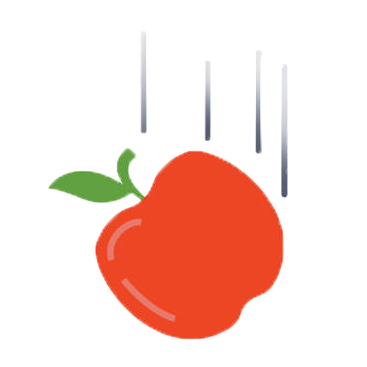
    This experiment demonstrates that in the absence of air resistance, two freely falling bodies released from the same height reach the ground simultaneously. Both objects gain the same speed during their fall, proving they experience the same acceleration – the acceleration due to gravity. The demonstration explains why we typically observe heavy objects falling faster than light objects due to air resistance effects.

  • |

    تجربة السقوط الحر

    توضح هذه التجربة أنه عند انعدام مقاومة الهواء، يصل جسمان يسقطان بحرية من نفس الارتفاع إلى الأرض في نفس اللحظة. يكتسب كلا الجسمين نفس السرعة أثناء السقوط، مما يثبت أنهما يختبران نفس التسارع – تسارع السقوط الحر. تشرح التجربة سبب رؤيتنا للأجسام الثقيلة تسقط أسرع من الأجسام الخفيفة بسبب تأثيرات مقاومة الهواء.

  • |

    Verifying Newton’s second law

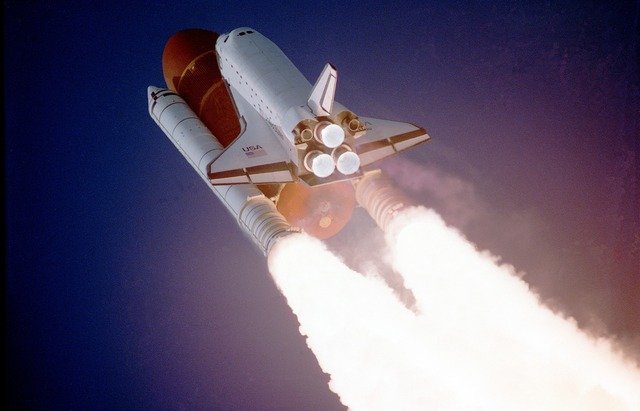
    This zero-gravity experiment aboard a space shuttle demonstrates Newton’s second law. With no gravitational force, an astronaut applies the same force to balls of different masses. The lighter ball accelerates more than the heavier one, proving the inverse relationship between mass and acceleration when force is constant (F=ma). A perfect demonstration of fundamental physics principles in microgravity conditions.

  • |

    التحقق من قانون نيوتن الثاني

    تُظهر هذه التجربة في انعدام الجاذبية على متن مكوك فضائي قانون نيوتن الثاني. بدون قوة الجاذبية، يطبق رائد الفضاء نفس القوة على كرات ذات كتل مختلفة. تتسارع الكرة الأخف أكثر من الأثقل، مما يثبت العلاقة العكسية بين الكتلة والتسارع عندما تكون القوة ثابتة (القوة = الكتلة × التسارع). عرض مثالي لمبادئ الفيزياء الأساسية في ظروف الجاذبية الصغرى.

  • |

    Newton’s third law

    Newton’s third law demonstrates that for every action, there is an equal and opposite reaction. This video uses a Jackie Chan movie scene to illustrate the principle: when Jackie pushes his partner (action force), he experiences an equal push back (reaction force), allowing both to escape danger. A creative real-world example of action-reaction force pairs.

  • |

    قانون نيوتن الثالث

    يوضح قانون نيوتن الثالث أن لكل فعل رد فعل مساوٍ له في المقدار ومعاكس له في الاتجاه. يستخدم هذا الفيديو مشهداً من فيلم جاكي تشان لتوضيح المبدأ: عندما يدفع جاكي شريكه (قوة الفعل)، يختبر دفعة مساوية إلى الخلف (قوة رد الفعل)، مما يسمح لكليهما بالهروب من الخطر. مثال إبداعي من الحياة الواقعية على أزواج قوى الفعل ورد الفعل.

  • |

    Inertia

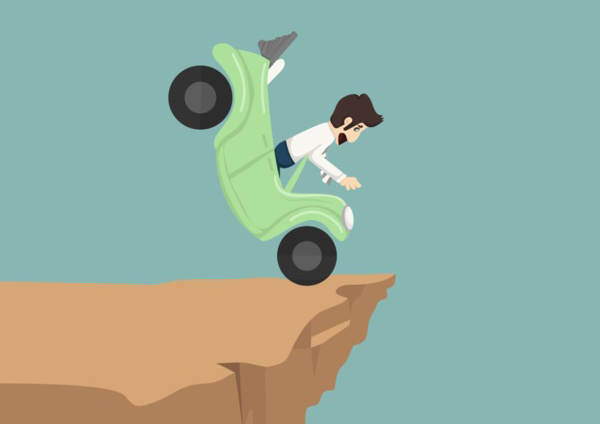
    Inertia is the property of matter that resists changes in velocity. When a car brakes, your body leans forward; when it accelerates, you lean backward – both demonstrate inertia in action. The greater your body’s mass, the more pronounced this effect. Inertia encompasses resistance to changes in both speed and direction of motion, making it a fundamental concept in understanding how objects behave.

  • |

    القصور الذاتي

    القصور الذاتي هو خاصية المادة التي تقاوم التغييرات في السرعة المتجهة. عندما تكبح السيارة، يميل جسمك للأمام؛ وعندما تتسارع، تميل للخلف – كلاهما يوضح القصور الذاتي عملياً. كلما زادت كتلة جسمك، كان التأثير أكثر وضوحاً. يشمل القصور الذاتي مقاومة التغييرات في كل من مقدار السرعة واتجاه الحركة، مما يجعله مفهوماً أساسياً لفهم سلوك الأجسام.